
Understanding the Role and Uses of a Compactor in Construction Work
A compactor is an essential machine used in construction and landscaping projects. It helps compress soil, gravel, and other materials to create a stable base. Without proper compaction, surfaces can shift or sink over time. This machine is used in roads, driveways, foundations, and many outdoor projects. Strong ground starts with good compaction.
Types of Compactors and How They Work
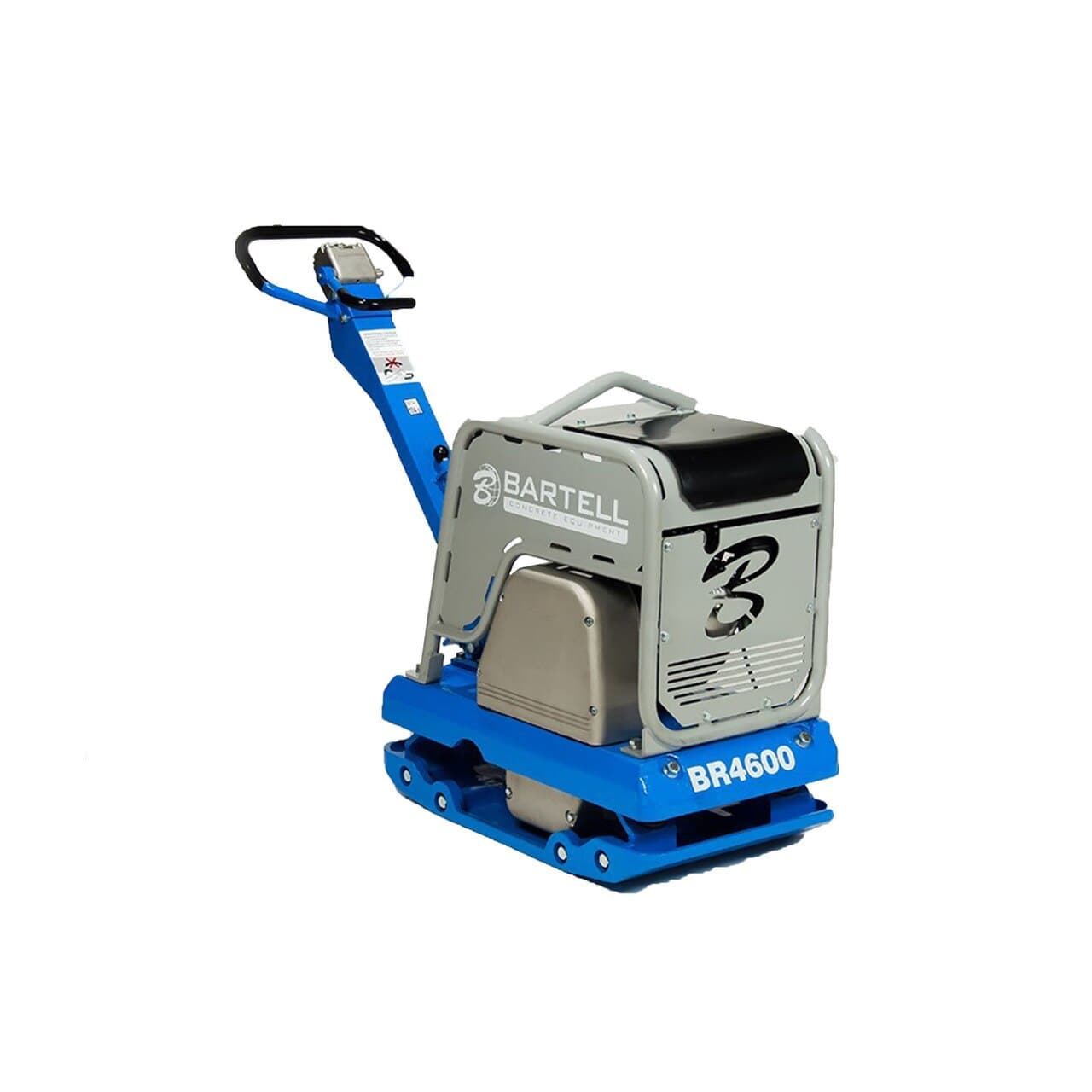
There are several types of compactors, each designed for specific tasks. Plate compactors are commonly used for small to medium areas such as sidewalks and patios. They use vibration to push air out of soil and tighten the surface. This makes the ground stronger and more stable.
Another type is the rammer compactor, also called a jumping compactor jack. This machine is used for narrow trenches and deep soil areas where a plate compactor cannot reach. It delivers strong impact force instead of wide vibration. Workers often use it in utility work or pipe installation projects.
There are also road rollers, which are large machines used for highways and big construction sites. These compactors weigh several tons and can cover wide areas quickly. Their heavy weight ensures deep and even compression. They are often seen in road-building projects that span several kilometers.
Different machines serve different purposes, but the goal is always the same. Strong ground support matters.
Choosing Equipment and Understanding Proper Usage
Selecting the right compactor depends on the job size and material type. Small landscaping jobs may only require a lightweight machine, while large construction sites need heavy-duty equipment. Contractors often compare engine power, weight, and vibration frequency before making a choice. The right match improves efficiency and safety.
When researching equipment, many users check trusted sources such as guides to better understand available options and usage methods. These resources help workers choose machines that fit both budget and project size. A wrong choice can slow down work or cause poor results. Proper selection saves time and effort.
Using a compactor correctly is just as important as choosing the right one. Operators must move the machine slowly and evenly across the surface. Rushing the process can leave weak spots in the ground. Consistency is key for solid results.
Soil conditions also affect performance. Wet soil may require multiple passes, while dry soil may compact faster. Each project has different needs, and workers adjust their technique based on the material they are handling. Experience helps improve judgment over time.
Safety Practices and Common Mistakes
Safety is a major concern when operating a compactor. These machines are heavy and produce strong vibrations, which can lead to injury if not handled correctly. Workers should wear protective boots, gloves, and ear protection. Long exposure to vibration can affect hands and arms.
Before starting, the work area should be cleared of debris and obstacles. Rocks, metal pieces, or hidden objects can damage the machine or cause accidents. A quick inspection reduces risk and improves performance. Preparation matters more than speed.
One common mistake is over-compacting the soil. Too much pressure can make the ground overly dense, which may lead to drainage problems. Another issue is uneven passes, which leave weak spots. Careful control prevents these problems.
Breaks are important during long work sessions. Continuous use can cause fatigue, which affects focus and control. Even experienced operators take short rests to stay alert. Small pauses improve safety.
Maintenance and Long-Term Equipment Care
Regular maintenance keeps a compactor working efficiently. Cleaning the machine after each use removes dirt and prevents buildup. Dust and debris can affect moving parts over time. A clean machine lasts longer.
Engine oil should be checked frequently. Low or dirty oil can reduce performance and damage the engine. Filters must also be replaced according to usage levels. These small steps protect the machine from serious issues.
The base plate or drum should also be inspected for wear. Cracks or damage can reduce compaction quality and create uneven surfaces. Replacing worn parts ensures consistent results. Ignoring damage leads to bigger repairs later.
Storage conditions matter as well. Keeping the machine in a dry and covered area prevents rust and corrosion. Exposure to rain or moisture can shorten its lifespan. Proper storage protects your investment.
A compactor plays a vital role in construction and landscaping work by creating stable and durable surfaces. Understanding the different types, using the right techniques, and following safety practices all contribute to better results. With proper care and operation, this equipment delivers reliable performance for many years.…
